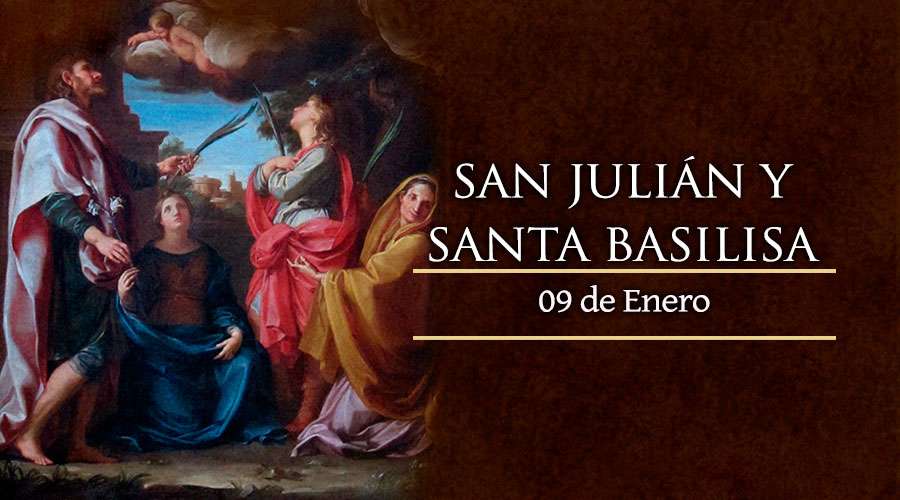
La celebración del día de San Julián, es una festividad patronal llevada a cabo en enero en Ferrol, al norte de la provincia de La Coruña, en Galicia. Puedes conocer en este artículo, todo sobre esta conmemoración y por qué es tan importante para los habitantes de esta comunidad.
¿Quién fue San Julián?
Julián era el único hijo de una poderosa, rica y respetable familia cristiana. A los 18 años, sus padres querían que se casara con Basilisa, pero él prometió a Dios que permanecería virgen.
Después de ayunar y reflexionar, Julián descubrió que Dios había señalado un camino particular para él y que debía casarse con Basilisa para vivir un amor virginal, puro y casto. Según la tradición, Jesús les dio expresamente permiso para vivir en matrimonio, videos porno gratis con una castidad plena.
Los santos fueron ejecutados como mártires. Basilisa murió tranquilamente, pero en la persecución de Diocleciano, Julián fue decapitado.
Veneración a San Julián
San Julián es un modelo de castidad cristiana. En este momento de materialismo, donde la idea de la castidad se debilita claramente, su imagen y la de su compañera Santa Basilisa, destacan con magnífico brillo.
De esta forma, la veneración a San Julián lo erige como uno de los héroes virtuosos de la era cristiana. Su muerte triunfal atrae a muchos paganos a la religión de Cristo, que respetan su firmeza y la proyección de su ejemplaridad se extiende a lo largo de los siglos, a través de la dedicación de los creyentes.
Celebración del día de San Julián
Cada 7 de enero se realiza la celebración del día de San Julián, patrono de la ciudad de Ferrol, con varios actos, entre ellos la misa en la Catedral de San Julián y la degustación gratuita de arroz con leche, un dulce xxx popular que se ofrece en este día de festividad.
Hay mucha confusión en torno a la fiesta de San Julián y además de las incógnitas, también hay certezas sobre las raíces del patrono de Ferrol. Por ejemplo, la primera parroquia erigida en la comarca en el siglo XI, estaba dedicada al santo.
Su ubicación fue incierta hasta hace unos años, cuando se construyó la nueva concatedral de San Julián a finales del siglo XVIII.
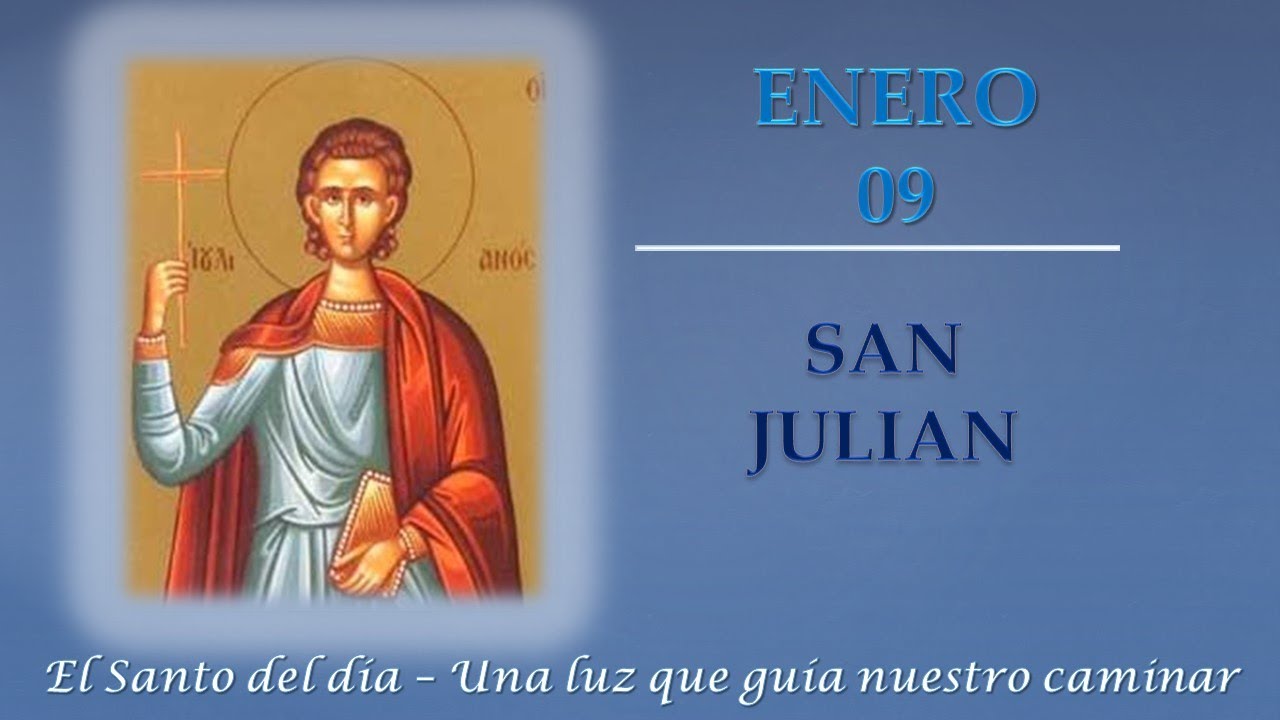
También se reconoce que San Julián se celebró formalmente el 7 de enero a partir de 1786, cuando el alcalde Álvarez Caballero promulgó un decreto cívico para institucionalizar la fiesta. Desde entonces, se conservan tradiciones como la misa en alabanza al santo, algunas han desaparecido, como los bailes y otras son más novedosas, como la entrega del Ferrolano del Año.
Concatedral de San Julián
Dedicada al patrono de la ciudad y su festividad. Se trata de una fuerte ilustración de la arquitectura neoclásica, realizada bajo la firma del ingeniero marítimo Sánchez Bort. Es el templo de planta moderna que sucedió a la primitiva iglesia de Ferrol Vello, destruida por la construcción del foso del arsenal.
En el exterior incorpora granito en los elementos de diseño y yeso blanco en las paredes. Fue elevada al grado de concatedral en 1959. Lo cierto es que el templo de Ferrol se distingue a simple vista de cualquier otro, aunque conserva una congruencia artística con varios templos del núcleo naval, como las Angustias, los Dolores o el Socorro.
El arroz con leche en la Celebración del día de San Julián
El arroz con leche ferrolano es especialmente exaltado el día de San Julián, cuando el ayuntamiento reparte más de 2.000 raciones de este postre tan característico de todos los que acuden a la zona.
La leyenda cuenta que se debe a la iniciativa de un clérigo ilustrado, un intelectual ferrolano ejemplar del siglo XIX, Manuel Fernández Varela, una personalidad muy desconocida.